

How does the chemical resistance of ectfe lining sheet change with temperature?
Nov 25, 2025
The chemical resistance of a material is a crucial factor in various industrial applications, especially when dealing with corrosive substances. As a supplier of ECTFE lining sheets, I often encounter inquiries regarding how the chemical resistance of these sheets changes with temperature. In this blog post, I will delve into this topic, exploring the scientific principles behind it and providing practical insights for our customers.
Understanding ECTFE Lining Sheets
ECTFE, or ethylene chlorotrifluoroethylene, is a fluoropolymer known for its excellent chemical resistance, mechanical properties, and thermal stability. Fluoropolymer ECTFE Lining Sheet are widely used in industries such as chemical processing, pharmaceuticals, food and beverage, and semiconductor manufacturing to protect equipment from corrosion. These sheets can be applied to the inner surfaces of tanks, pipes, valves, and other equipment, providing a reliable barrier against a wide range of chemicals.

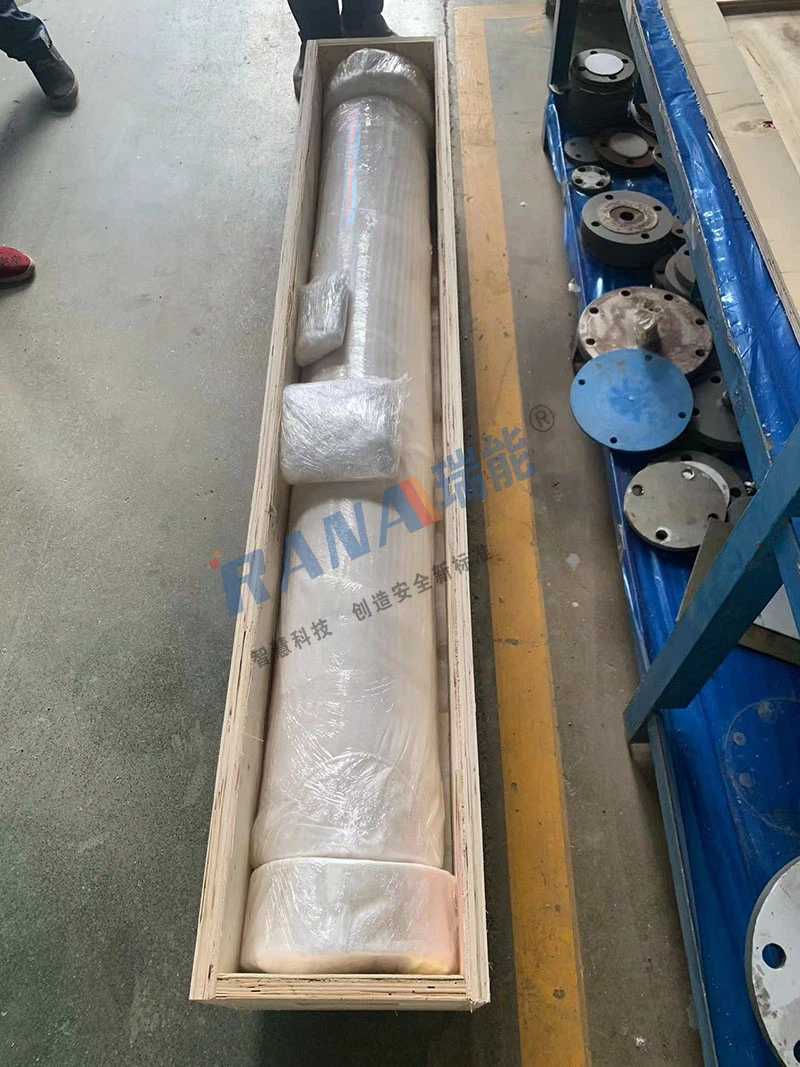
One of the key advantages of ECTFE lining sheets is their versatility. They can withstand exposure to acids, bases, solvents, and other corrosive agents, making them suitable for a variety of applications. Additionally, Glass Fabric Backing ECTFE Sheet offer enhanced mechanical strength and dimensional stability, which is particularly important in high-pressure and high-temperature environments.
The Relationship Between Temperature and Chemical Resistance
Temperature plays a significant role in the chemical resistance of ECTFE lining sheets. As the temperature increases, the molecular motion within the polymer also increases, which can affect its chemical properties. Generally, the chemical resistance of ECTFE lining sheets decreases with increasing temperature. This is because higher temperatures can accelerate chemical reactions, increase the solubility of chemicals in the polymer, and reduce the polymer's mechanical strength.
However, the extent to which temperature affects the chemical resistance of ECTFE lining sheets depends on several factors, including the type of chemical, the concentration of the chemical, and the duration of exposure. For example, some chemicals may have a more significant impact on the lining sheets at higher temperatures, while others may have a minimal effect. Additionally, the presence of impurities or additives in the chemical can also affect the chemical resistance of the lining sheets.
Scientific Principles Behind the Temperature Effect
To understand how temperature affects the chemical resistance of ECTFE lining sheets, it is essential to consider the molecular structure of the polymer. ECTFE is a semi-crystalline polymer, which means it has both crystalline and amorphous regions. The crystalline regions provide the polymer with its mechanical strength and chemical resistance, while the amorphous regions allow for some flexibility and molecular mobility.
At lower temperatures, the molecular motion within the polymer is relatively limited, and the chemical resistance of the lining sheets is high. As the temperature increases, the molecular motion becomes more pronounced, and the polymer chains become more mobile. This can lead to an increase in the diffusion rate of chemicals through the polymer, as well as a decrease in the polymer's ability to resist chemical attack.
In addition to the molecular motion, temperature can also affect the solubility of chemicals in the polymer. As the temperature increases, the solubility of many chemicals in ECTFE also increases. This means that more chemicals can penetrate the polymer and react with its molecular structure, leading to a decrease in chemical resistance.
Practical Implications for Industrial Applications
The temperature dependence of the chemical resistance of ECTFE lining sheets has several practical implications for industrial applications. When selecting ECTFE lining sheets for a specific application, it is crucial to consider the operating temperature range and the type of chemicals that the sheets will be exposed to. In general, it is recommended to use ECTFE lining sheets at temperatures below their maximum continuous use temperature, which is typically around 150°C (302°F).
If the operating temperature exceeds the maximum continuous use temperature, the chemical resistance of the lining sheets may be significantly reduced, and the sheets may experience premature failure. In such cases, it may be necessary to consider alternative materials or采取 additional measures to protect the equipment, such as using insulation or cooling systems.
Another important consideration is the duration of exposure to chemicals. Even at lower temperatures, prolonged exposure to certain chemicals can cause degradation of the ECTFE lining sheets. Therefore, it is essential to monitor the condition of the lining sheets regularly and replace them when necessary to ensure the continued protection of the equipment.
Testing and Evaluation
To ensure the quality and performance of ECTFE lining sheets, it is important to conduct thorough testing and evaluation. At our company, we use a variety of testing methods to assess the chemical resistance of our ECTFE Lining Sheets under different temperature conditions. These tests include immersion tests, where the lining sheets are immersed in various chemicals at different temperatures for a specified period of time, and stress cracking tests, where the sheets are subjected to mechanical stress while in contact with chemicals.
The results of these tests provide valuable information about the chemical resistance of the lining sheets and help us to determine their suitability for specific applications. We also work closely with our customers to understand their specific requirements and provide them with customized solutions based on our testing and evaluation results.
Conclusion
In conclusion, the chemical resistance of ECTFE lining sheets is affected by temperature, with higher temperatures generally leading to a decrease in chemical resistance. Understanding the scientific principles behind this temperature effect is crucial for selecting the right ECTFE lining sheets for industrial applications and ensuring their long-term performance.
As a supplier of ECTFE lining sheets, we are committed to providing our customers with high-quality products and technical support. If you have any questions or need further information about the chemical resistance of our ECTFE lining sheets or their performance at different temperatures, please do not hesitate to contact us. We are here to help you find the best solution for your specific needs and ensure the success of your industrial applications.
References
- Brandrup, J., & Immergut, E. H. (Eds.). (1989). Polymer Handbook. John Wiley & Sons.
- Billmeyer, F. W. (1984). Textbook of Polymer Science. John Wiley & Sons.
- ASTM International. (2019). Standard Test Methods for Evaluating the Resistance of Plastics to Chemical Reagents. ASTM D543-14.