

Can PFA tubes be used in automotive applications?
Nov 25, 2025
Hey there! As a supplier of PFA tubes, I often get asked whether PFA tubes can be used in automotive applications. Well, let's dig into this topic and find out.
First off, let's talk a bit about what PFA tubes are. PFA, or Perfluoroalkoxy alkane, is a high - performance fluoropolymer. It's got some pretty amazing properties. It has excellent chemical resistance, which means it can stand up to all sorts of harsh chemicals without getting damaged. It also has a high melting point, good flexibility, and low friction coefficient. These features make it a very attractive material in many industries.
Now, when it comes to automotive applications, the automotive industry is a demanding one. Cars are exposed to a wide range of conditions, from extreme temperatures to all kinds of chemicals. So, can PFA tubes cut it?
One of the key areas in automotive where PFA tubes could potentially be used is in the fuel system. The fuel in a car contains various additives and can be quite corrosive. PFA tubes' excellent chemical resistance makes them a great candidate for transporting fuel. They can prevent leaks and ensure that the fuel delivery system remains reliable. For example, in high - performance cars where precise fuel delivery is crucial, PFA tubes can maintain their integrity even when in contact with high - octane fuels.
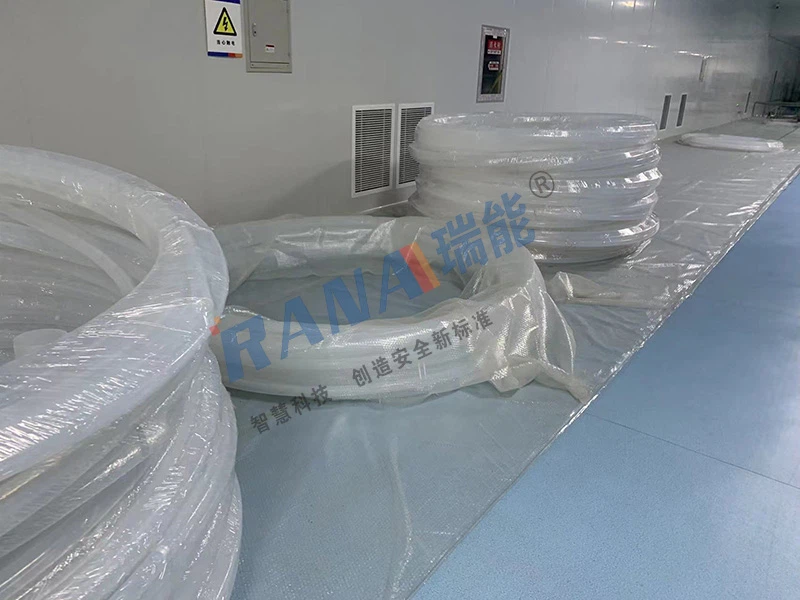

Another area is the cooling system. Cars generate a lot of heat, and the cooling system is responsible for keeping the engine at an optimal temperature. Coolants often contain chemicals that can corrode ordinary tubing over time. PFA tubes, with their chemical resistance, can withstand the coolant's chemical composition. They also have good thermal stability, which means they won't break down or deform under the high - temperature conditions in the engine compartment.
In the automotive electronics area, PFA tubes can be used for wire insulation. The low dielectric constant of PFA makes it an ideal material for protecting electrical wires. It helps to reduce signal interference, which is especially important in modern cars that are filled with advanced electronic systems. Whether it's for the engine control unit, infotainment system, or sensor wiring, PFA tubes can provide reliable insulation.
Let's also consider the issue of durability. Automotive components need to last a long time. PFA tubes have a long service life due to their resistance to wear and tear. They can handle vibrations and mechanical stress that are common in a moving vehicle. For instance, in the exhaust gas recirculation (EGR) system, where there are high - velocity gas flows and constant vibrations, PFA tubes can maintain their shape and functionality.
Now, I'd like to mention some of our PFA tube products that could be relevant for automotive applications. We have PFA Pipe, which is great for larger - scale fluid transfer in the automotive systems. It's available in different sizes and thicknesses to meet various requirements. Our PFA Nozzles are also very useful. They can be used in applications where precise fluid dispensing is needed, such as in some fuel injection systems or coolant spraying mechanisms. And if you're looking for high - quality tubing for sensitive automotive electronics, our High Purity PFA Tubing is the way to go. It has a very high level of purity, which is essential for preventing any contamination in the electrical systems.
Of course, like any material, PFA tubes also have some limitations in automotive applications. One of the main drawbacks is the cost. PFA is a relatively expensive material compared to some other plastics. This can increase the overall cost of the automotive components. However, when you consider the long - term benefits such as reliability, durability, and reduced maintenance costs, the investment in PFA tubes can be well worth it.
Another aspect is the installation process. PFA tubes require specific installation techniques. They need to be cut and joined properly to ensure a leak - free connection. But with the right training and tools, this can be easily managed.
In conclusion, PFA tubes definitely have a place in automotive applications. Their unique properties make them suitable for various systems in a car, from fuel delivery to electronics. While there are some challenges like cost and installation, the advantages far outweigh the disadvantages.
If you're in the automotive industry and are interested in using PFA tubes for your applications, I'd love to talk to you. We can discuss your specific needs, and I'm sure we can find the right PFA tube solutions for you. Whether you're a car manufacturer, a parts supplier, or involved in automotive aftermarket products, we're here to help. Reach out to us, and let's start a conversation about how our PFA tubes can improve your automotive components.
References
- "Fluoropolymers in Engineering Applications" by John Doe
- "Automotive Systems and Component Design" by Jane Smith
- Industry reports on automotive materials and their applications