

What is the production process of PFA tubes?
Dec 19, 2025
Hey there! As a supplier of PFA tubes, I'm super excited to take you through the production process of these awesome tubes. PFA, or Perfluoroalkoxy, is a high-performance fluoropolymer known for its excellent chemical resistance, high-temperature stability, and low friction coefficient. It's used in a wide range of industries, from chemical processing to semiconductor manufacturing. So, let's dive right in and see how these PFA tubes are made!
Raw Material Preparation
The first step in making PFA tubes is to prepare the raw materials. PFA resin is the main ingredient, and it comes in the form of small pellets. These pellets are made from a combination of tetrafluoroethylene (TFE) and perfluoroalkyl vinyl ether (PAVE). The resin is carefully selected to ensure it meets the required quality standards for the specific application of the tubes.
Before the resin can be used, it needs to be dried to remove any moisture. Moisture can cause bubbles or other defects in the final product, so this step is crucial. The resin pellets are typically dried in a hopper dryer at a specific temperature and for a set period of time. Once the resin is dry, it's ready to be fed into the extrusion machine.
Extrusion Process
Extrusion is the heart of the PFA tube production process. In this step, the dried PFA resin pellets are fed into an extruder, which is a machine that melts the resin and forces it through a die to form the tube shape.
The extruder consists of a heated barrel with a screw inside. As the screw rotates, it moves the resin pellets forward through the barrel. The heat from the barrel melts the resin, turning it into a molten state. The molten resin is then forced through a die, which is a specially designed tool that gives the tube its shape and size.
The die is a critical component of the extrusion process. It determines the outer diameter, inner diameter, and wall thickness of the tube. Different dies can be used to produce tubes of various sizes and shapes. For example, we can produce PFA Pipe Liner with specific dimensions to fit different pipe sizes.
During the extrusion process, the temperature, pressure, and screw speed are carefully controlled to ensure a consistent and high-quality product. If the temperature is too high, the resin may degrade, while if it's too low, the resin may not melt properly. Similarly, the pressure and screw speed need to be adjusted to maintain the right flow rate of the molten resin through the die.
Cooling and Sizing
Once the molten PFA resin exits the die, it needs to be cooled and sized to maintain its shape. This is typically done using a cooling tank filled with water. The newly formed tube is pulled through the cooling tank, where the water rapidly cools the resin, solidifying it into the tube shape.
After cooling, the tube may go through a sizing process to ensure it meets the exact dimensions specified by the customer. Sizing can be done using a sizing sleeve or a series of rollers. These tools help to adjust the outer diameter and wall thickness of the tube to the desired tolerance.
Quality Control
Quality control is an essential part of the PFA tube production process. At various stages of production, the tubes are inspected to ensure they meet the required quality standards. This includes visual inspections for surface defects, such as scratches, bubbles, or discoloration.

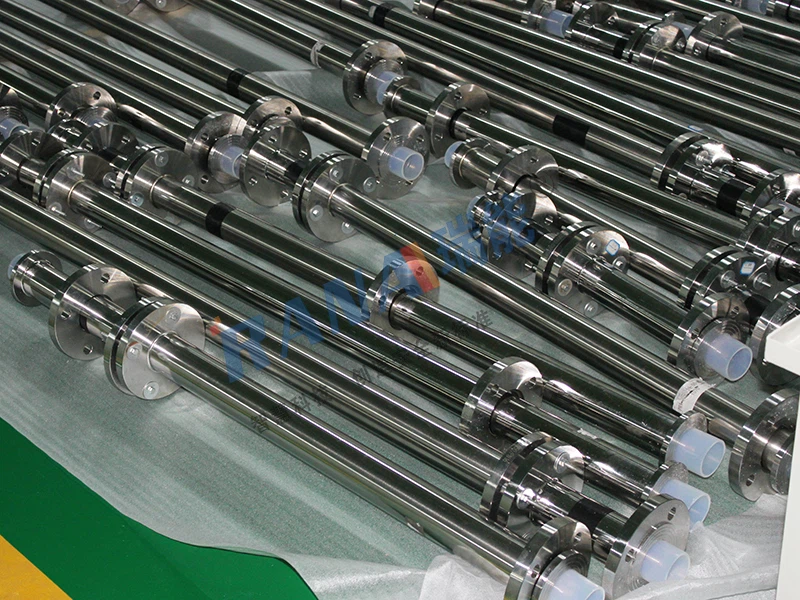
In addition to visual inspections, the tubes may also undergo physical and chemical tests. For example, the tubes may be tested for their chemical resistance, pressure resistance, and temperature stability. These tests help to ensure that the tubes can withstand the harsh conditions of their intended applications.
We also perform dimensional inspections to verify that the tubes have the correct outer diameter, inner diameter, and wall thickness. This is done using precision measuring tools, such as calipers and micrometers. Any tubes that do not meet the quality standards are rejected and recycled.
Cutting and Packaging
Once the tubes have passed all the quality control tests, they are ready to be cut to the desired length. This is typically done using a cutting machine, which can make precise cuts at a high speed.
After cutting, the tubes are cleaned and dried to remove any debris or moisture. They are then packaged in a suitable material, such as plastic bags or cardboard boxes, to protect them during transportation and storage.
We offer a variety of packaging options to meet the needs of our customers. For example, we can package the tubes in coils for easy handling and storage, or we can cut them to specific lengths and pack them individually.
Additional Processing (Optional)
Depending on the customer's requirements, the PFA tubes may undergo additional processing steps. For example, the tubes may be flared at the ends to create a smooth transition for fluid flow. This can be done using a flaring tool, which heats the end of the tube and shapes it into a flared shape.
Another common additional processing step is welding. PFA tubes can be welded together to create longer lengths or to form complex shapes. This is often used in applications where a continuous tube is required, such as in chemical processing plants. We offer PFA Hoses that are made by welding PFA tubes together to form flexible hoses.
Final Inspection and Shipment
Before the PFA tubes are shipped to the customer, they undergo a final inspection to ensure that they are in perfect condition. This includes a final visual inspection and a check of the packaging.
Once the tubes have passed the final inspection, they are ready to be shipped. We work with reliable shipping partners to ensure that the tubes are delivered to the customer in a timely and safe manner.
Conclusion
So, there you have it - the production process of PFA tubes. From raw material preparation to final inspection and shipment, every step is carefully controlled to ensure a high-quality product. Whether you need High Purity PFA Tubing for a semiconductor manufacturing process or PFA Pipe Liner for a chemical processing plant, we've got you covered.
If you're interested in purchasing PFA tubes for your business, we'd love to hear from you. Our team of experts can help you choose the right tubes for your specific application and provide you with a competitive quote. Don't hesitate to reach out and start a conversation about your PFA tube needs.
References
- "Fluoropolymers: Synthesis, Properties, and Applications" by John Scheirs
- "Extrusion: The Definitive Processing Guide and Handbook" by Christopher Rauwendaal