

What is the pressure rating of PFA Flexible Pipe?
Nov 18, 2025
As a supplier of PFA Flexible Pipe, I often encounter inquiries about the pressure rating of these pipes. Understanding the pressure rating is crucial for ensuring the safe and efficient operation of any system that utilizes PFA Flexible Pipe. In this blog post, I will delve into the concept of pressure rating, factors that influence it, and how it pertains to our PFA Flexible Pipe products.
What is Pressure Rating?
The pressure rating of a pipe refers to the maximum pressure that the pipe can withstand under normal operating conditions without experiencing failure. It is typically expressed in units of pressure, such as pounds per square inch (psi) or megapascals (MPa). The pressure rating is determined through a series of tests and calculations that take into account various factors, including the material properties of the pipe, its dimensions, and the temperature at which it will be operating.
Factors Affecting the Pressure Rating of PFA Flexible Pipe
Several factors can influence the pressure rating of PFA Flexible Pipe. Understanding these factors is essential for selecting the right pipe for your specific application.
Material Properties
PFA (Perfluoroalkoxy) is a high-performance fluoropolymer known for its excellent chemical resistance, high-temperature stability, and low friction coefficient. The inherent properties of PFA play a significant role in determining the pressure rating of the pipe. PFA has a high tensile strength and good flexibility, which allows it to withstand high pressures without deforming or bursting.
Pipe Dimensions
The dimensions of the PFA Flexible Pipe, including its diameter and wall thickness, also affect its pressure rating. Generally, pipes with larger diameters and thicker walls can withstand higher pressures. This is because a larger cross-sectional area provides more surface area to distribute the pressure, while a thicker wall provides greater structural integrity.
Temperature
Temperature is another critical factor that can impact the pressure rating of PFA Flexible Pipe. As the temperature increases, the mechanical properties of PFA can change, reducing its ability to withstand pressure. Therefore, it is important to consider the operating temperature when selecting a PFA Flexible Pipe and to ensure that the pressure rating is appropriate for the expected temperature range.
Installation Conditions
The way the PFA Flexible Pipe is installed can also affect its pressure rating. Proper installation techniques, such as using the correct fittings and supports, are essential for ensuring that the pipe can withstand the pressure without experiencing stress concentrations or leaks. Additionally, the pipe should be installed in a way that allows for thermal expansion and contraction, which can occur due to changes in temperature.
Determining the Pressure Rating of PFA Flexible Pipe
The pressure rating of PFA Flexible Pipe is typically determined by the manufacturer based on a combination of testing and calculations. The manufacturer will conduct tests to measure the mechanical properties of the PFA material, such as its tensile strength and elongation at break. These test results are then used in calculations to determine the maximum pressure that the pipe can withstand under various conditions.
In addition to the manufacturer's specifications, it is also important to consider the specific requirements of your application when determining the appropriate pressure rating for the PFA Flexible Pipe. Factors such as the type of fluid being transported, the operating temperature, and the expected flow rate should all be taken into account.
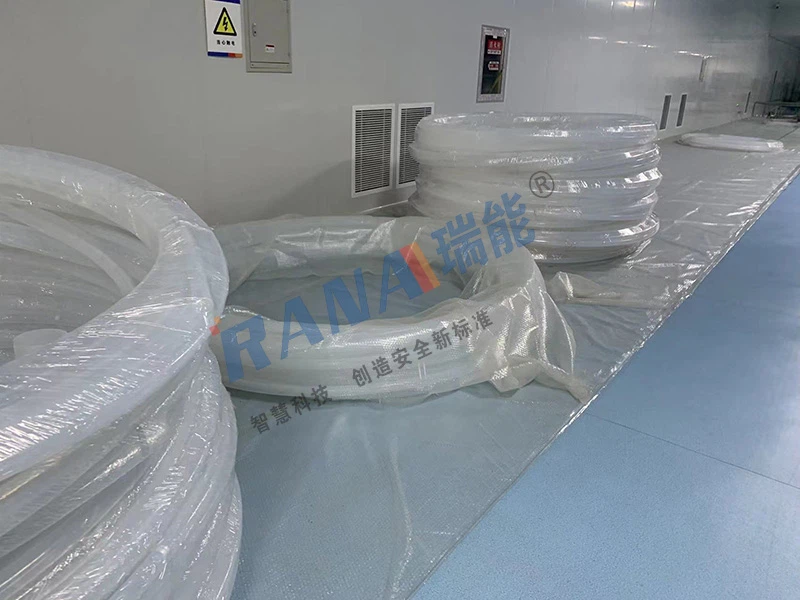

Applications of PFA Flexible Pipe
PFA Flexible Pipe is widely used in a variety of industries due to its excellent chemical resistance, high-temperature stability, and flexibility. Some common applications include:
- Chemical Processing: PFA Flexible Pipe is resistant to a wide range of chemicals, making it ideal for use in chemical processing plants. It can be used to transport corrosive fluids, such as acids, bases, and solvents, without the risk of corrosion or contamination.
- Semiconductor Manufacturing: In the semiconductor industry, PFA Flexible Pipe is used to transport ultra-pure chemicals and gases. Its low friction coefficient and smooth interior surface minimize the risk of particle generation, ensuring the purity of the materials being transported.
- Food and Beverage Industry: PFA Flexible Pipe is approved for use in contact with food and beverages. It is resistant to bacteria and other contaminants, making it suitable for use in food processing and packaging applications.
- Pharmaceutical Industry: PFA Flexible Pipe is used in the pharmaceutical industry to transport drugs and other sensitive substances. Its chemical resistance and high-temperature stability ensure the integrity of the products being transported.
Our PFA Flexible Pipe Products
As a supplier of PFA Flexible Pipe, we offer a wide range of products to meet the needs of our customers. Our PFA Flexible Pipe is available in various sizes and pressure ratings to suit different applications. We also offer Tubing PFA, PFA Nozzles, and PFA Pipe to provide a complete solution for your piping needs.
Our PFA Flexible Pipe is manufactured using high-quality PFA material and state-of-the-art manufacturing processes to ensure consistent quality and performance. We also conduct rigorous testing on our products to ensure that they meet or exceed the industry standards.
Contact Us for More Information
If you have any questions about the pressure rating of PFA Flexible Pipe or if you would like to learn more about our products, please do not hesitate to contact us. Our team of experts is available to assist you in selecting the right PFA Flexible Pipe for your specific application. We can also provide you with detailed technical information and specifications to help you make an informed decision.
Whether you are looking for a reliable supplier of PFA Flexible Pipe or you need assistance with your piping system design, we are here to help. Contact us today to start the conversation and let us help you find the perfect solution for your needs.
References
- "Fluoropolymers: Chemistry and Processing" by James E. Mark, Harry R. Allcock, and Robert West
- "Handbook of Fluoropolymer Science and Technology" edited by Luigi Lumetta and Mario Guglielmi
- Manufacturer's specifications and technical data sheets for PFA Flexible Pipe products