

What is the chemical stability of PFA Flexible Pipe over time?
Jan 07, 2026
Hey there! As a supplier of PFA Flexible Pipe, I often get asked about the chemical stability of these pipes over time. It's a super important topic, especially for those in industries that rely heavily on the integrity of their piping systems. So, let's dive right in and explore what makes PFA Flexible Pipe so stable chemically as the years go by.
First off, what exactly is PFA? PFA stands for Perfluoroalkoxy alkane. It's a fluoropolymer, and if you're not into chemistry, think of it as a high - tech plastic with some amazing properties. PFA is well - known for its resistance to a wide range of chemicals, and that plays a huge role in the long - term chemical stability of PFA Flexible Pipe.
One of the key factors contributing to the chemical stability of PFA Flexible Pipe is its molecular structure. The carbon - fluorine (C - F) bonds in PFA are extremely strong. These bonds are among the strongest in organic chemistry. They're not easily broken down by chemical reactions, whether it's oxidation, hydrolysis, or reactions with solvents. This means that over long periods of time, the pipe can withstand exposure to all sorts of chemicals without significant degradation.
Let's talk about some real - world applications. In the chemical processing industry, PFA Flexible Pipe is a go - to choice for transporting highly corrosive chemicals. For example, sulfuric acid is a strong acid used in many industrial processes, from battery manufacturing to fertilizer production. PFA Flexible Pipe can resist the corrosive effects of sulfuric acid for a long time. Unlike some other materials that would quickly corrode and break down when in contact with sulfuric acid, PFA remains intact. This long - term resistance is crucial because it ensures the safety and efficiency of the chemical handling process. You don't want leaks or pipe failures due to chemical degradation.
Another example is in the pharmaceutical industry. Pharmaceuticals often involve the use of various solvents and reagents during the manufacturing process. PFA Flexible Pipe can handle these chemicals without leaching any harmful substances into the product. This is essential for maintaining the purity of the pharmaceutical products. Over the years, as the pipe is continuously exposed to these chemicals, its chemical stability ensures that it doesn't contaminate the drugs being produced.
Now, let's consider the impact of time on the chemical stability of PFA Flexible Pipe. While PFA is highly stable, it's not completely immune to the effects of time. However, the degradation rate is extremely slow. Factors like temperature, pressure, and the concentration of the chemicals it comes into contact with can affect how quickly it might degrade.
Higher temperatures can accelerate chemical reactions. If a PFA Flexible Pipe is exposed to very high temperatures for extended periods while in contact with certain chemicals, the rate of degradation might increase slightly. But even then, PFA can handle relatively high temperatures compared to many other polymers. It has a continuous use temperature of up to about 260°C (500°F). This means that in most industrial settings where the temperature is within a reasonable range, the chemical stability of PFA Flexible Pipe will remain excellent over many years.
Pressure also plays a role. If the pipe is under high pressure while transporting chemicals, it can put stress on the material. But PFA has good mechanical properties, and its chemical stability helps it withstand this stress without significant chemical changes. The pressure might cause some physical deformation over time, but the chemical integrity of the pipe remains largely intact.
The concentration of the chemicals is another factor. Highly concentrated chemicals are generally more reactive. However, PFA Flexible Pipe can still handle a wide range of concentrations. For example, it can handle concentrated hydrochloric acid without failing quickly. But as with any material, extreme concentrations might slightly reduce its long - term chemical stability.
It's also important to note that the surface smoothness of PFA Flexible Pipe contributes to its chemical stability. A smooth surface reduces the chances of chemical buildup and the formation of local corrosion cells. This means that chemicals are less likely to react with the pipe in a way that would cause uneven degradation.
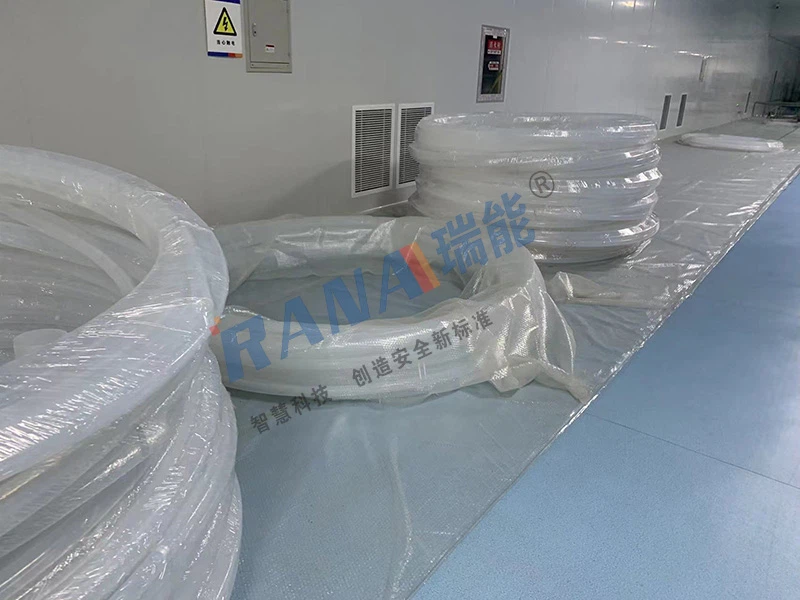

So, if you're in need of a piping solution that offers long - term chemical stability, PFA Flexible Pipe is a great option. You can find out more about our Tubing PFA, PFA Pipe, and PFA Flexible Pipe on our website.
If you're interested in purchasing PFA Flexible Pipe for your project, don't hesitate to reach out. We're always happy to discuss your specific needs and provide you with the best solutions. Whether you're in the chemical, pharmaceutical, or any other industry that requires reliable piping, we can help you make the right choice.
References
- "Fluoropolymers: Chemistry and Applications" by James E. McGrath and Charles E. Carraher Jr.
- Industry reports on the performance of PFA materials in chemical handling applications.