

Is ptfe lining sheet resistant to fuel?
Nov 13, 2025
Is PTFE Lining Sheet Resistant to Fuel?
Hey there! I'm a supplier of PTFE lining sheets, and I often get asked if these sheets are resistant to fuel. It's a great question, especially considering the wide range of applications where fuel resistance is crucial. So, let's dive right in and explore this topic.
First off, what is PTFE? PTFE stands for polytetrafluoroethylene. It's a synthetic fluoropolymer of tetrafluoroethylene. You might know it by the brand name Teflon. PTFE has some amazing properties. It's got a very low coefficient of friction, which means things slide over it easily. It's also highly resistant to heat, chemicals, and weathering.
Now, when it comes to fuel resistance, PTFE lining sheets are pretty impressive. Most common fuels, like gasoline, diesel, and jet fuel, don't have much of an effect on PTFE. The chemical structure of PTFE makes it very stable, and it doesn't react easily with other substances. This stability is what gives it such good resistance to fuels.
Let's take a closer look at how PTFE holds up against different types of fuels. Gasoline is a complex mixture of hydrocarbons, along with additives like detergents and antioxidants. PTFE lining sheets can withstand exposure to gasoline for long periods without significant degradation. The same goes for diesel fuel, which has a higher boiling point and different chemical composition compared to gasoline. PTFE doesn't absorb diesel fuel, and it maintains its physical and chemical properties.
Jet fuel is another type of fuel that PTFE lining sheets can handle. Jet fuel is designed to have specific properties for use in aircraft engines, and PTFE's resistance to it is important in aviation applications. Whether it's in fuel lines, fuel tanks, or other components, PTFE lining sheets can provide reliable protection against jet fuel.
But it's not just about the common fuels. PTFE also shows good resistance to some alternative fuels. For example, biofuels, which are made from renewable resources like plants and animal fats, don't pose a major threat to PTFE. Ethanol, which is often blended with gasoline, can be corrosive to some materials, but PTFE is generally resistant to it.
However, it's important to note that there are some factors that can affect the fuel resistance of PTFE lining sheets. Temperature is a big one. At very high temperatures, the properties of PTFE can change. While PTFE has a high melting point (around 327°C or 621°F), extreme heat can still cause it to become more susceptible to chemical attack. So, if you're using PTFE lining sheets in a high-temperature fuel environment, you need to take that into account.
The type of fuel and its additives can also play a role. Some specialty fuels or fuels with unusual additives might have a different effect on PTFE. It's always a good idea to test the PTFE lining sheet with the specific fuel you'll be using in your application.
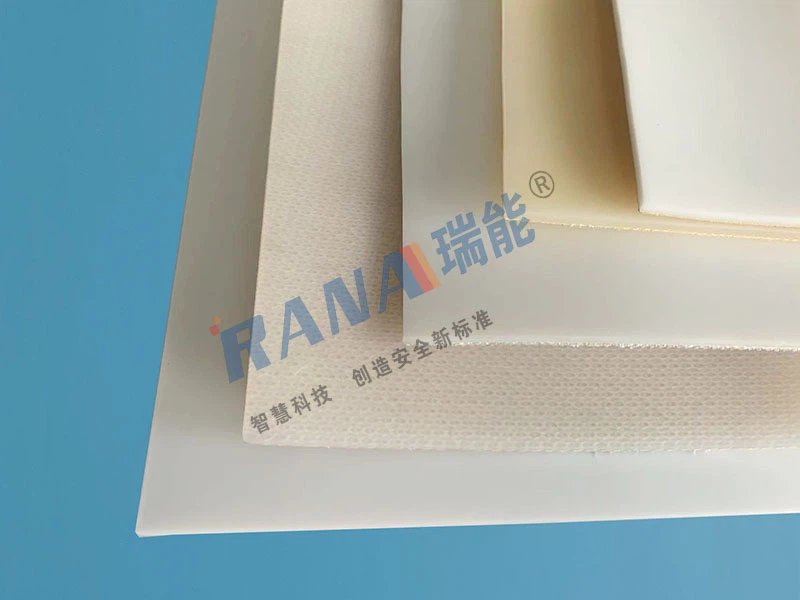

At our company, we offer a variety of PTFE lining sheets to meet different needs. For example, we have the PTFE Etched Lining Sheet. This type of sheet has been etched to improve its adhesion properties, which can be useful in certain fuel-related applications where bonding to other materials is required.
We also have Plastic Llining Sheets. These sheets are made from high-quality PTFE and are suitable for a wide range of fuel storage and handling applications. They provide excellent protection against fuel leakage and corrosion.
Another option is the PTFE Sheet with Glass Fabric Backing. The glass fabric backing adds strength and durability to the PTFE sheet, making it even more suitable for demanding fuel environments.
In conclusion, PTFE lining sheets are generally very resistant to fuel. Their chemical stability and unique properties make them a great choice for applications where fuel resistance is important. However, it's always important to consider the specific conditions of your application, such as temperature and the type of fuel, to ensure the best performance.
If you're in the market for PTFE lining sheets for your fuel-related projects, we'd love to hear from you. We can provide you with more information about our products and help you choose the right PTFE lining sheet for your needs. Just reach out to us, and we'll be happy to assist you in your procurement process.
References
- "Handbook of Fluoropolymer Science and Technology"
- "Properties and Applications of PTFE" in various industry research papers