

How to store PTFE lined reactors when not in use?
Dec 23, 2025
Storing PTFE lined reactors properly when they are not in use is crucial to maintain their performance, extend their service life, and ensure safety. As a PTFE Lined Reactors supplier, I have witnessed firsthand the importance of correct storage practices. In this blog, I will share some key guidelines on how to store PTFE lined reactors effectively.
1. Cleaning the Reactor
Before storing the PTFE lined reactor, a thorough cleaning process is essential. Residual chemicals left inside the reactor can react with the PTFE lining or cause corrosion over time. First, drain all the remaining liquid contents from the reactor. Use appropriate cleaning agents that are compatible with PTFE. Mild detergents or solvents recommended by the PTFE manufacturer are usually a good choice.
For stubborn residues, a gentle scrubbing with a soft brush can be used, but avoid using abrasive materials that could scratch the PTFE lining. After cleaning, rinse the reactor thoroughly with clean water to remove any traces of the cleaning agents. Ensure that all internal surfaces, including the agitator, baffles, and nozzles, are clean.
2. Drying the Reactor
Moisture is one of the main enemies of PTFE lined reactors during storage. It can lead to the growth of mold and mildew, and in some cases, cause rust on the external metal parts of the reactor. After cleaning, allow the reactor to dry completely. You can use compressed air to blow out any remaining water from hard - to - reach areas.
Place the reactor in a well - ventilated area with low humidity. If possible, use a dehumidifier in the storage area to maintain a relative humidity of less than 60%. This will help prevent moisture from condensing on the surfaces of the reactor.
3. Protecting the PTFE Lining
The PTFE lining is the most valuable part of the reactor, and it needs special protection during storage. Avoid any mechanical damage to the lining. Do not stack heavy objects on top of the reactor or subject it to impacts.
If the reactor has a removable agitator, it is advisable to remove it and store it separately. Wrap the agitator in a soft material to prevent scratches on the PTFE - coated parts. For the reactor itself, you can use protective covers made of non - abrasive materials. These covers can shield the reactor from dust, dirt, and accidental impacts.
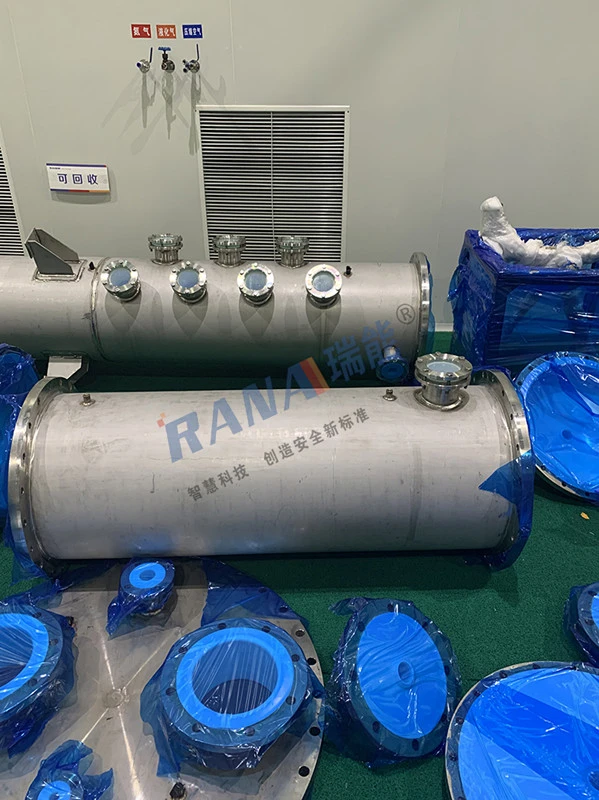

4. Storage Location
The choice of storage location is critical. Select a dry, clean, and well - ventilated area. The storage area should be away from direct sunlight, as prolonged exposure to sunlight can cause the PTFE lining to degrade over time.
It is also important to keep the reactor away from sources of heat, such as furnaces or heaters. High temperatures can cause the PTFE to expand and contract, which may lead to cracks or delamination of the lining.
Additionally, the storage area should be free from corrosive chemicals or fumes. If there are other chemical storage areas nearby, ensure that proper ventilation and separation measures are in place to prevent cross - contamination.
5. Monitoring during Storage
Even when the reactor is in storage, regular monitoring is necessary. Check the reactor at least once a month. Inspect the PTFE lining for any signs of damage, such as cracks, blisters, or discoloration. Look for any signs of moisture accumulation inside the reactor or on the external surfaces.
Check the external metal parts for rust. If rust is detected, take immediate measures to remove it and apply a suitable anti - rust coating. Also, ensure that the protective covers are still in place and in good condition.
6. Special Considerations for Different Sizes and Types of Reactors
Small - scale Reactors
Small - scale PTFE lined reactors are more portable and easier to handle. However, they can be more vulnerable to damage during storage. You can store them on shelves or in cabinets. Make sure the shelves are sturdy enough to support the weight of the reactor.
For small reactors with complex shapes, use custom - made storage containers or foam inserts to protect the PTFE lining from contact with hard surfaces.
Large - scale Reactors
Large - scale reactors often require more space for storage. They may need to be stored in a dedicated warehouse. In some cases, you may need to use a crane or other heavy - lifting equipment to move the reactor into the storage position.
Ensure that the floor of the storage area can support the weight of the large reactor. You may need to reinforce the floor if necessary.
Reactors with Special Features
Some PTFE lined reactors may have special features, such as PTFE Lined Cooling Tower, PTFE Lined Mixing Tank, or PTFE Lined Tower Section. These special features need to be protected according to their specific requirements. For example, the cooling tower section may need to be covered to prevent debris from entering the cooling channels.
7. Documentation
Keep detailed records of the storage process. Document the date of storage, the cleaning and drying procedures used, and any inspection results during storage. This documentation will be useful when the reactor is taken out of storage and put back into service. It can also help in case of any warranty claims or quality - related issues.
8. Recommissioning the Reactor
When it is time to use the reactor again, a thorough inspection is necessary. Check all the components, including the PTFE lining, agitator, and valves. Conduct a pressure test to ensure the integrity of the reactor.
Clean the reactor one more time to remove any dust or debris that may have accumulated during storage. Reassemble all the parts if they were disassembled for storage.
In conclusion, proper storage of PTFE lined reactors is a multi - step process that requires attention to detail. By following these guidelines, you can ensure that your reactor remains in good condition during storage and is ready for use when needed.
If you are in the market for high - quality PTFE lined reactors or need more information on their storage and maintenance, feel free to contact us. Our team of experts is always ready to assist you with your specific requirements. We are committed to providing the best products and services to our customers.
References
- "PTFE Lined Equipment Handbook" - A comprehensive guide on the use and maintenance of PTFE lined equipment.
- Industry standards and guidelines for chemical reactor storage issued by relevant professional organizations.