

How to maintain the ECTFE lining over time?
Dec 22, 2025
Maintaining the integrity of an ECTFE (Ethylene Chlorotrifluoroethylene) lining over time is crucial for ensuring the long - term performance and safety of equipment such as ECTFE lined tanks. As a supplier of ECTFE lined tanks, I have witnessed firsthand the importance of proper maintenance in extending the lifespan of these valuable assets. In this blog, I will share some essential tips on how to maintain the ECTFE lining over time.
Understanding ECTFE Lining
Before delving into maintenance strategies, it is important to understand what ECTFE lining is. ECTFE is a semi - crystalline fluoropolymer known for its excellent chemical resistance, mechanical strength, and thermal stability. It is commonly used to line tanks, vessels, and other equipment that come into contact with corrosive chemicals. ECTFE lining provides a protective barrier between the corrosive medium and the underlying substrate, preventing corrosion and ensuring the safe storage and handling of chemicals.
ECTFE lined tanks are widely used in various industries, including chemical processing, pharmaceuticals, food and beverage, and water treatment. They are available in different configurations, such as ECTFE Lined Vessel, ECTFE Lined Tank, and ECTFE Lined ISO Tank Container. Each type of equipment has its own specific requirements for maintenance.
Regular Inspection
Regular inspection is the cornerstone of maintaining the ECTFE lining. Inspections should be carried out at regular intervals, depending on the operating conditions and the type of chemicals stored in the tank. Visual inspections can help detect any signs of damage, such as cracks, blisters, or delamination, on the surface of the lining.
During a visual inspection, use proper lighting and magnification tools to examine the lining closely. Look for any changes in the color, texture, or appearance of the lining. If any damage is detected, it should be addressed immediately to prevent further deterioration. In addition to visual inspections, non - destructive testing methods, such as ultrasonic testing or radiographic testing, can be used to detect internal defects in the lining.
Cleaning and Flushing
Proper cleaning and flushing of the ECTFE lined tank are essential for maintaining its performance. Over time, residues from chemicals, dirt, and debris can accumulate on the surface of the lining, which can affect its chemical resistance and mechanical properties. Therefore, regular cleaning and flushing are necessary to remove these contaminants.
When cleaning the ECTFE lined tank, use mild cleaning agents that are compatible with ECTFE. Avoid using abrasive cleaners or tools that can scratch the lining. Start by draining the tank and removing any remaining chemicals. Then, fill the tank with a cleaning solution and circulate it through the tank for a specified period of time. After cleaning, flush the tank thoroughly with clean water to remove any traces of the cleaning solution.
Temperature and Pressure Control
ECTFE has a specific temperature and pressure range within which it can operate safely. Exceeding these limits can cause the lining to expand, contract, or deform, leading to damage. Therefore, it is important to monitor and control the temperature and pressure inside the tank at all times.
Install temperature and pressure sensors in the tank to continuously monitor these parameters. Set up alarms to alert operators if the temperature or pressure exceeds the safe limits. In addition, ensure that the tank is equipped with proper relief valves to prevent over - pressurization.
Chemical Compatibility
One of the key factors in maintaining the ECTFE lining is ensuring chemical compatibility. ECTFE has excellent chemical resistance, but it may not be compatible with all chemicals. Before storing any new chemical in the ECTFE lined tank, it is important to check its compatibility with ECTFE.
Refer to chemical compatibility charts provided by the ECTFE manufacturer or conduct compatibility tests in a laboratory. If a chemical is found to be incompatible with ECTFE, do not store it in the tank. Instead, consider using a different type of lining or a different storage solution.
Preventing Mechanical Damage
Mechanical damage can also occur to the ECTFE lining, especially during installation, maintenance, or operation. To prevent mechanical damage, take the following precautions:

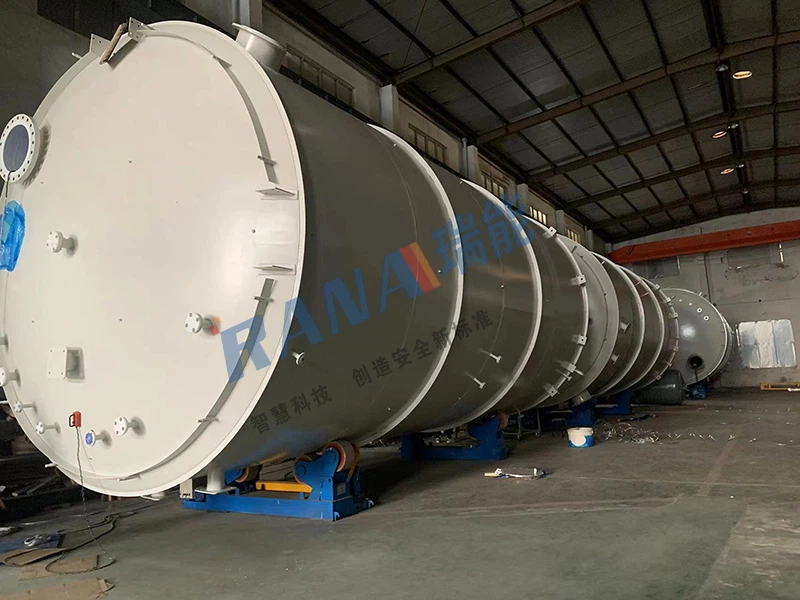
- During installation, ensure that the tank is handled carefully to avoid any impact or abrasion on the lining.
- Use proper lifting and handling equipment to avoid putting excessive stress on the tank.
- When performing maintenance or repairs inside the tank, use non - abrasive tools and take care not to scratch or damage the lining.
- Avoid dropping or throwing objects into the tank, as this can cause damage to the lining.
Training and Education
Proper training and education of operators and maintenance personnel are essential for maintaining the ECTFE lining. Operators should be trained on the proper operation, cleaning, and maintenance procedures of the ECTFE lined tank. They should also be educated on the importance of chemical compatibility, temperature and pressure control, and preventing mechanical damage.
Provide regular training sessions to update the knowledge and skills of the operators and maintenance personnel. Encourage them to report any issues or concerns regarding the tank lining immediately.
Documentation and Record - Keeping
Maintaining detailed documentation and records of the ECTFE lined tank is important for tracking its maintenance history and performance. Keep records of all inspections, cleaning, repairs, and any other maintenance activities carried out on the tank. This information can be used to identify trends, plan future maintenance, and demonstrate compliance with regulatory requirements.
In addition, document any changes in the operating conditions, such as the type of chemicals stored, temperature, and pressure, over time. This will help in assessing the impact of these changes on the lining and taking appropriate preventive measures.
Conclusion
Maintaining the ECTFE lining over time requires a comprehensive approach that includes regular inspection, cleaning and flushing, temperature and pressure control, ensuring chemical compatibility, preventing mechanical damage, training and education, and documentation. By following these tips, you can extend the lifespan of your ECTFE lined tank and ensure its safe and reliable operation.
If you are in the market for high - quality ECTFE lined tanks or need further advice on maintaining your existing tanks, we are here to help. Our team of experts can provide you with customized solutions and professional guidance. Contact us today to start a procurement discussion and find the best ECTFE lined tank solution for your needs.
References
- Manufacturer's technical documentation on ECTFE lining
- Industry standards and guidelines for the maintenance of chemical storage tanks
- Research papers on the performance and maintenance of fluoropolymer linings