

How to maintain PFA tubes?
May 24, 2026
Hey there! As a supplier of PFA tubes, I've seen firsthand how crucial it is to maintain these high - performance tubes properly. PFA, or perfluoroalkoxy, is a remarkable material known for its excellent chemical resistance, high - temperature stability, and low friction coefficient. But like any other product, PFA tubes need some TLC to keep them in top shape. In this blog, I'll share some tips on how to maintain PFA tubes effectively.
Understanding PFA Tubes
Before we dive into maintenance, let's quickly go over what makes PFA tubes so special. PFA is a fluoropolymer that offers outstanding chemical resistance. It can withstand a wide range of aggressive chemicals, including acids, bases, and solvents. This makes PFA tubes ideal for applications in industries such as chemical processing, semiconductor manufacturing, and laboratory settings.
PFA tubes come in different forms, like PFA Flexible Tubing, PFA Pipe, and PFA Nozzles. Each type has its own unique features and applications, but the basic maintenance principles apply to all of them.
Regular Inspection
The first step in maintaining PFA tubes is regular inspection. You should visually check the tubes for any signs of damage, such as cracks, scratches, or leaks. These issues can compromise the integrity of the tube and lead to problems down the line.
Inspect the connections and joints as well. Loose connections can cause leaks, which not only waste the transported material but can also be a safety hazard. Make sure all fittings are tight and in good condition. If you notice any signs of wear or damage, it's important to address them right away.
Cleaning
Cleaning is a vital part of PFA tube maintenance. Over time, debris, chemicals, and other contaminants can build up inside the tubes, which can affect their performance. To clean PFA tubes, you can use a mild detergent and warm water. Avoid using abrasive cleaners or brushes, as they can scratch the surface of the tube.
For more stubborn contaminants, you can use a solution of isopropyl alcohol or a specialized PFA cleaner. However, always test the cleaner on a small, inconspicuous area of the tube first to make sure it doesn't cause any damage.
When cleaning, make sure to flush the tube thoroughly to remove all traces of the cleaning solution. You can use a high - pressure water stream or a dedicated cleaning system, depending on the size and application of the tube.
Storage
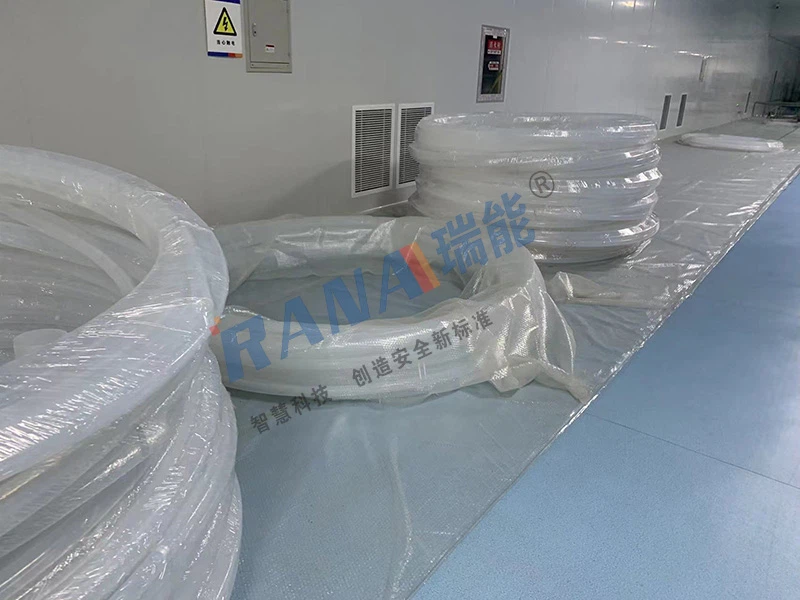
Proper storage is also important for maintaining PFA tubes. When not in use, store the tubes in a cool, dry place away from direct sunlight and heat sources. Exposure to high temperatures can cause the PFA material to expand and contract, which can lead to cracks and other damage.
Keep the tubes away from sharp objects and rough surfaces that could scratch or puncture them. If possible, store the tubes in a protective container or rack to prevent them from being damaged.
Handling
How you handle PFA tubes can also have a big impact on their lifespan. When installing or removing the tubes, be gentle and avoid applying excessive force. Use the appropriate tools and techniques to ensure a proper fit.
Avoid bending the tubes beyond their recommended radius. PFA tubes have a certain degree of flexibility, but excessive bending can cause the material to crack or deform. If you need to bend the tube, use a bending tool specifically designed for PFA tubes.
Temperature and Pressure Considerations
PFA tubes are designed to operate within a certain temperature and pressure range. Make sure you know the specifications of your tubes and operate them within these limits. Exceeding the recommended temperature or pressure can cause the tube to fail, leading to leaks or other problems.
If you need to use the tubes in high - temperature or high - pressure applications, make sure to choose the appropriate type of PFA tube. Some PFA tubes are designed to handle higher temperatures and pressures than others.
Chemical Compatibility
As I mentioned earlier, PFA tubes have excellent chemical resistance. However, it's still important to make sure the chemicals you're transporting are compatible with the PFA material. Some chemicals may react with PFA over time, causing damage to the tube.
Before using a new chemical with your PFA tubes, check the chemical compatibility chart provided by the manufacturer. If you're not sure, you can also conduct a small - scale test to see how the tube reacts with the chemical.
Maintenance Records
Keeping maintenance records is a good idea. This can help you track the history of your PFA tubes, including when they were installed, when they were last inspected and cleaned, and any repairs or replacements that were made.
Maintenance records can also be useful for troubleshooting. If you encounter a problem with a tube, you can refer to the records to see if there have been any previous issues or if the tube has been maintained properly.
When to Replace
Even with proper maintenance, PFA tubes will eventually need to be replaced. Signs that it's time to replace a tube include excessive wear, cracks that can't be repaired, or a significant decrease in performance.
If you notice any of these signs, it's important to replace the tube as soon as possible to avoid any potential problems. Don't try to patch up a severely damaged tube, as this may not be a long - term solution.
Conclusion
Maintaining PFA tubes is essential for ensuring their long - term performance and reliability. By following these tips, you can keep your PFA tubes in good condition and avoid costly repairs and replacements.
If you're in the market for high - quality PFA tubes or need more information about maintenance, don't hesitate to reach out. We're here to help you find the right solutions for your specific needs. Whether you're looking for PFA Flexible Tubing, PFA Pipe, or PFA Nozzles, we've got you covered.
References
- Manufacturer's guides for PFA tubes
- Industry standards for PFA tube maintenance
- Research on fluoropolymer materials and their applications