

How to clean PTFE lined tanks?
Dec 22, 2025
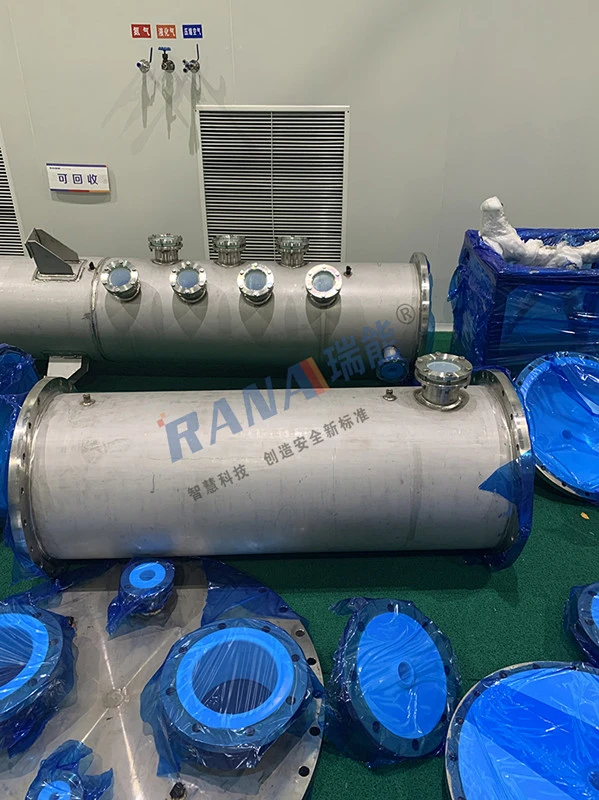
Proper cleaning of PTFE lined tanks is crucial for maintaining their performance, longevity, and ensuring the quality of the stored materials. As a reputable supplier of PTFE lined tanks, we understand the importance of this process and are here to share comprehensive guidelines on how to clean these specialized tanks effectively.
Understanding PTFE Lined Tanks
PTFE (Polytetrafluoroethylene) is a synthetic fluoropolymer known for its exceptional chemical resistance, non - stick properties, and high - temperature stability. These characteristics make PTFE lined tanks ideal for storing and processing a wide range of corrosive chemicals, acids, and solvents. However, over time, residues can accumulate inside the tanks, which may affect their functionality and the purity of the stored substances.
Pre - cleaning Preparation
Before starting the cleaning process, it is essential to take several preparatory steps:
- Empty the Tank: Completely drain all the contents from the PTFE lined tank. Make sure to follow proper safety procedures when handling the drained substances, especially if they are hazardous chemicals.
- Inspect the Tank: Conduct a thorough visual inspection of the tank interior. Look for any signs of damage, such as scratches, cracks, or delamination of the PTFE lining. If any damage is detected, it is advisable to consult with a professional before proceeding with the cleaning.
- Gather Cleaning Supplies: Select appropriate cleaning agents and tools. Mild detergents, non - abrasive sponges, soft - bristle brushes, and distilled water are commonly used for cleaning PTFE lined tanks. Avoid using abrasive materials or harsh chemicals that can damage the PTFE lining.
Cleaning Process
The following steps outline a general cleaning procedure for PTFE lined tanks:
- Rinse with Water: Start by rinsing the tank with a large volume of distilled water. This helps to remove loose debris and soluble residues. Use a high - pressure water hose if necessary, but ensure that the pressure is not too high to damage the lining.
- Prepare the Cleaning Solution: Mix a mild detergent with distilled water according to the manufacturer's instructions. The detergent should be non - abrasive and free of harsh chemicals.
- Apply the Cleaning Solution: Use a soft - bristle brush or a non - abrasive sponge to apply the cleaning solution to the tank walls, floor, and any internal components. Gently scrub the surfaces to remove stubborn residues. Pay special attention to areas where residues tend to accumulate, such as corners and seams.
- Soak if Necessary: For extremely stubborn residues, you may need to soak the affected areas with the cleaning solution for a longer period. However, avoid prolonged soaking, as it may cause swelling or damage to the PTFE lining.
- Rinse Thoroughly: After scrubbing, rinse the tank thoroughly with distilled water to remove all traces of the cleaning solution. Make sure to rinse all areas, including the bottom and sides of the tank, to prevent any detergent residues from remaining.
- Dry the Tank: Once the tank is rinsed, allow it to air - dry completely. You can use clean, dry towels to absorb excess water, but avoid using materials that may leave lint or fibers behind.
Cleaning Specialized Components
In addition to the main tank body, PTFE lined tanks may have various specialized components, such as PTFE Lined Filter Housing, PTFE Lined Tower Section, and PTFE Lined Equipment. These components require special attention during the cleaning process:
- Filter Housing: Remove the filter element from the housing. Clean the housing using the same mild detergent and water solution. Use a soft brush to clean the interior and exterior surfaces. Rinse thoroughly and dry before reinstalling the filter element.
- Tower Section: Inspect the tower section for any blockages or deposits. If necessary, use a long - handled brush or a high - pressure water jet to clean the internal channels. Make sure to rinse all areas to remove any debris.
- Other Equipment: For other PTFE lined equipment, follow the manufacturer's specific cleaning instructions. Some equipment may require disassembly for more thorough cleaning.
Post - cleaning Inspection
After the tank and its components are cleaned and dried, conduct a final inspection. Check for any remaining residues, damage, or signs of improper cleaning. If everything looks satisfactory, the tank is ready for reuse.
Safety Considerations
When cleaning PTFE lined tanks, safety should always be the top priority:

- Wear Protective Gear: Wear appropriate personal protective equipment (PPE), such as gloves, goggles, and a respirator if necessary, especially when handling chemicals or cleaning agents.
- Ventilation: Ensure that the cleaning area is well - ventilated to prevent the accumulation of fumes from cleaning agents or chemicals.
- Proper Disposal: Dispose of all cleaning waste, including used cleaning solutions and residues, in accordance with local environmental regulations.
Conclusion
Cleaning PTFE lined tanks is a critical process that requires careful attention to detail and the use of appropriate cleaning methods and materials. By following the guidelines outlined in this blog, you can ensure the proper maintenance of your PTFE lined tanks, extend their lifespan, and maintain the quality of the stored materials.
As a leading supplier of PTFE Lined Equipment, we are committed to providing high - quality products and comprehensive support to our customers. If you have any questions about cleaning PTFE lined tanks or are interested in purchasing our products, please feel free to contact us for further information and to discuss your specific requirements.
References
- "PTFE: Properties and Applications" - Chemical Engineering Handbook
- Manufacturer's guidelines for PTFE lined tanks and related equipment