

How do PFA tubes compare with other plastic tubes?
Jan 02, 2026
As a supplier of PFA tubes, I often encounter customers who are trying to understand how PFA tubes stack up against other plastic tubes. In this blog, I aim to provide a comprehensive comparison to help you make an informed decision when choosing the right tubing for your specific needs.
Chemical Resistance
One of the most significant advantages of PFA tubes is their exceptional chemical resistance. PFA, or Perfluoroalkoxy, is a fluoropolymer that exhibits outstanding resistance to a wide range of chemicals, including strong acids, bases, and organic solvents. This makes PFA tubes ideal for applications in the chemical processing, pharmaceutical, and semiconductor industries, where exposure to corrosive substances is common.
In contrast, other plastic tubes such as PVC (Polyvinyl Chloride) and PE (Polyethylene) have limited chemical resistance. PVC, for example, is resistant to many common chemicals but can be attacked by certain solvents and strong oxidizing agents. PE, on the other hand, has good resistance to most non-polar solvents but is less resistant to polar solvents and some chemicals at high temperatures.
Temperature Resistance
PFA tubes also offer excellent temperature resistance. They can withstand continuous use at temperatures up to 260°C (500°F) and short-term exposure to temperatures up to 280°C (536°F). This high-temperature performance makes PFA tubes suitable for applications in high-temperature environments, such as in chemical reactors, ovens, and industrial processes.
Compared to PFA tubes, other plastic tubes have lower temperature limits. PVC, for instance, has a maximum continuous use temperature of around 60°C (140°F), while PE has a maximum continuous use temperature of around 80°C (176°F). These lower temperature limits restrict the use of PVC and PE tubes in high-temperature applications.
Flexibility and Durability
PFA tubes are known for their flexibility and durability. They can be easily bent and shaped without cracking or breaking, making them suitable for applications where flexibility is required, such as in fluid transfer systems and laboratory equipment. Additionally, PFA tubes have a high resistance to abrasion and wear, which ensures a long service life even in harsh environments.
In comparison, some other plastic tubes may be less flexible and more prone to cracking or breaking. For example, rigid PVC tubes are relatively inflexible and can crack if bent too sharply. Some types of PE tubes may also have limited flexibility and may not be suitable for applications where frequent bending is required.
Purity and Cleanliness
In industries such as pharmaceuticals, food and beverage, and semiconductor manufacturing, purity and cleanliness are of utmost importance. PFA tubes are highly pure and have low levels of extractables, making them suitable for applications where contamination must be minimized. They are also easy to clean and sterilize, which helps to maintain a high level of hygiene.
Other plastic tubes may not offer the same level of purity and cleanliness. PVC, for example, may contain additives and plasticizers that can leach into the fluid being transported, potentially causing contamination. Some types of PE tubes may also have a higher level of extractables, which can be a concern in applications where purity is critical.
Cost
When it comes to cost, PFA tubes are generally more expensive than some other plastic tubes. This is due to the high cost of the raw materials and the manufacturing process. However, the superior performance and durability of PFA tubes often justify the higher cost, especially in applications where reliability and long-term performance are essential.
PVC and PE tubes are typically more affordable, making them a popular choice for applications where cost is a major consideration. However, it's important to note that the lower cost may come at the expense of performance and durability, especially in demanding applications.
Applications
The unique properties of PFA tubes make them suitable for a wide range of applications. Some common applications include:
- Chemical Processing: PFA tubes are used in chemical reactors, distillation columns, and other equipment for the transfer of corrosive chemicals.
- Pharmaceutical and Biotechnology: PFA tubes are used in pharmaceutical manufacturing, laboratory equipment, and bioprocessing applications where purity and chemical resistance are required.
- Semiconductor Manufacturing: PFA tubes are used in semiconductor fabrication processes for the transfer of high-purity chemicals and gases.
- Food and Beverage: PFA tubes are used in food and beverage processing equipment for the transfer of liquids and gases, where cleanliness and non-toxicity are important.
- Laboratory and Analytical Equipment: PFA tubes are used in laboratory equipment such as chromatography systems, spectrometers, and pipettes, where flexibility, chemical resistance, and purity are required.
Conclusion
In conclusion, PFA tubes offer several advantages over other plastic tubes, including exceptional chemical resistance, high-temperature performance, flexibility, durability, purity, and cleanliness. While they may be more expensive than some other plastic tubes, their superior performance often justifies the higher cost, especially in demanding applications.

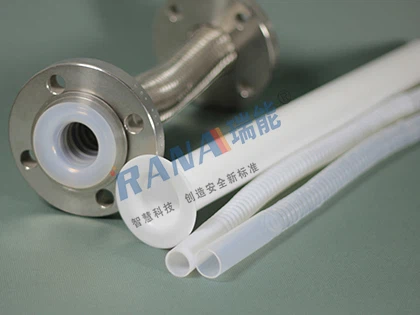
If you are considering using PFA tubes for your application, I encourage you to explore our range of PFA Hoses, PFA Flexible Pipe, and High Purity PFA Tubing. Our team of experts is available to assist you in selecting the right PFA tube for your specific needs. Contact us today to discuss your requirements and start a procurement negotiation.
References
- "Fluoropolymers: Properties, Processing, and Applications" by David R. Squire
- "Handbook of Plastic Materials and Technology" edited by Irvin I. Rubin
- "Plastics Engineering Handbook of the Society of Plastics Engineers" edited by Michael L. Berins