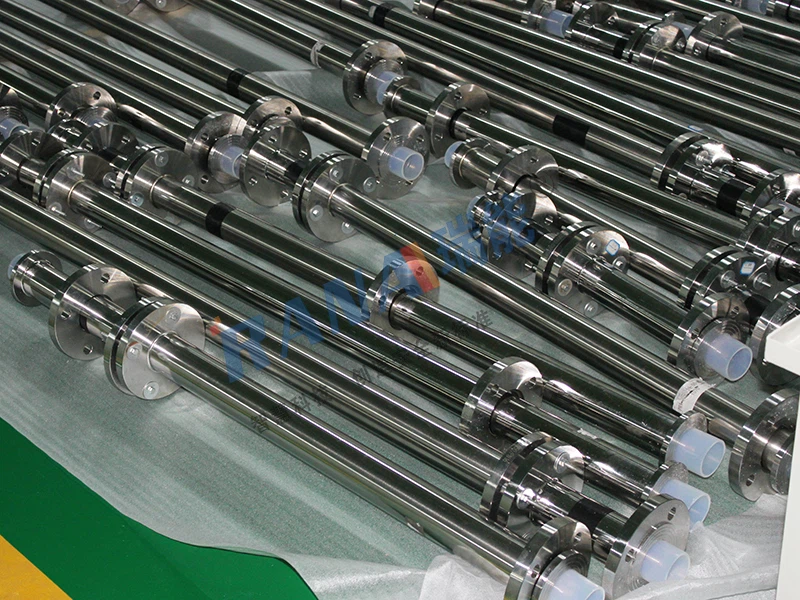
How do PFA sleeves perform in corrosive atmospheres?
May 29, 2026
How do PFA sleeves perform in corrosive atmospheres?
In the industrial landscape, the challenge of dealing with corrosive atmospheres is a constant concern. Corrosive substances can cause significant damage to equipment, leading to costly repairs, downtime, and safety risks. This is where PFA (Perfluoroalkoxy) sleeves come into play. As a trusted PFA sleeves supplier, I have witnessed firsthand the remarkable performance of PFA sleeves in various corrosive environments. In this blog post, I will delve into the properties of PFA sleeves and how they excel in corrosive atmospheres.
Understanding PFA
PFA is a fluoropolymer known for its exceptional chemical resistance, high-temperature stability, and non-stick properties. It is a type of thermoplastic that can be easily molded into various shapes, making it suitable for a wide range of applications. PFA has a similar chemical structure to PTFE (Polytetrafluoroethylene), but it offers better processability and improved mechanical properties.
Chemical Resistance
One of the key advantages of PFA sleeves is their outstanding chemical resistance. They can withstand a wide range of corrosive chemicals, including acids, bases, solvents, and oxidizing agents. This makes them ideal for use in industries such as chemical processing, pharmaceuticals, and food and beverage, where exposure to corrosive substances is common.
For example, in a chemical processing plant, PFA sleeves can be used to protect pipes, valves, and fittings from the corrosive effects of strong acids and bases. The sleeves act as a barrier, preventing the chemicals from coming into contact with the underlying metal surfaces and causing corrosion. This not only extends the lifespan of the equipment but also reduces the risk of leaks and spills, which can have serious environmental and safety consequences.
High-Temperature Stability
In addition to their chemical resistance, PFA sleeves also offer excellent high-temperature stability. They can withstand continuous use at temperatures up to 260°C (500°F) without losing their mechanical properties or chemical resistance.
Non-Stick Properties
Another notable feature of PFA sleeves is their non-stick properties. They have a low coefficient of friction, which means that substances are less likely to adhere to their surfaces. This makes them easy to clean and maintain, and it also reduces the risk of product contamination in industries such as food and beverage and pharmaceuticals.
Applications of PFA Sleeves in Corrosive Atmospheres
PFA sleeves have a wide range of applications in corrosive atmospheres. Some of the common applications include:
- Chemical Processing: PFA sleeves are used to protect pipes, valves, and fittings from the corrosive effects of chemicals. They can also be used to line tanks and vessels to prevent corrosion and contamination.
- Pharmaceuticals: PFA sleeves are used in the pharmaceutical industry to protect equipment from the corrosive effects of drugs and other chemicals. They can also be used to line containers and storage tanks to prevent contamination.
- Food and Beverage: PFA sleeves are used in the food and beverage industry to protect equipment from the corrosive effects of acids, bases, and other chemicals.
Comparing PFA Sleeves with Other Materials
When it comes to choosing a material for use in corrosive atmospheres, there are several options available. Some of the common materials include stainless steel, PVC, and rubber. However, PFA sleeves offer several advantages over these materials.
- Chemical Resistance: PFA sleeves have a higher level of chemical resistance than stainless steel, PVC, and rubber. They can withstand a wider range of corrosive chemicals, including strong acids and bases.
- High-Temperature Stability: PFA sleeves can withstand higher temperatures than PVC and rubber. They can be used continuously at temperatures up to 260°C (500°F), whereas PVC and rubber have lower temperature limits.
- Non-Stick Properties: PFA sleeves have better non-stick properties than stainless steel, PVC, and rubber. They are less likely to attract and hold substances, which makes them easier to clean and maintain.
- Flexibility: PFA sleeves are more flexible than stainless steel, which makes them easier to install and use in tight spaces. They can also be bent and shaped without cracking or breaking.
Conclusion
In conclusion, PFA sleeves are an excellent choice for use in corrosive atmospheres. They offer outstanding chemical resistance, high-temperature stability, non-stick properties, and flexibility. These properties make them suitable for a wide range of applications in industries such as chemical processing, pharmaceuticals, food and beverage, aerospace, and electronics.
As a PFA sleeves supplier, I am committed to providing high-quality products and excellent customer service. If you are looking for PFA sleeves for your application, please do not hesitate to contact me. I will be happy to discuss your requirements and provide you with a quote.
In addition to PFA sleeves, we also offer a range of other PFA products, including PFA Nozzles, PFA Flexible Tubing, and PFA Pipe Liner. These products are also designed to perform well in corrosive atmospheres and can be used in a variety of applications.
If you have any questions or would like to learn more about our PFA products, please contact us. We look forward to working with you and helping you find the right solution for your needs.