

Can PTFE lined tanks be used for storing solvents?
May 03, 2026
Can PTFE Lined Tanks Be Used for Storing Solvents?
As a supplier of PTFE lined tanks, I often encounter inquiries from customers regarding the suitability of our products for storing solvents. This blog post aims to provide a comprehensive analysis of whether PTFE lined tanks can be used for solvent storage, exploring the properties of PTFE, the characteristics of solvents, and the practical considerations in using these tanks.
Understanding PTFE
Polytetrafluoroethylene (PTFE) is a synthetic fluoropolymer of tetrafluoroethylene. It is well - known for its exceptional chemical resistance, high temperature stability, and low friction coefficient. These properties make PTFE an ideal material for lining tanks in various industrial applications.
PTFE has a wide range of chemical resistance, which means it can withstand the corrosive effects of many chemicals. It is inert to most acids, bases, and organic solvents. The high carbon - fluorine bond energy in PTFE provides a strong molecular structure that resists chemical attack. For example, it can resist the action of concentrated sulfuric acid, hydrochloric acid, and nitric acid, which are highly corrosive substances.
In terms of temperature stability, PTFE can operate within a wide temperature range, typically from - 200°C to 260°C. This makes it suitable for applications where solvents may be stored at different temperatures, whether in cold storage or during processes that involve heating.
Solvents and Their Characteristics
Solvents are substances that can dissolve other substances. They are widely used in industries such as chemical manufacturing, pharmaceuticals, and coatings. Solvents can be classified into different types, including organic solvents and inorganic solvents.
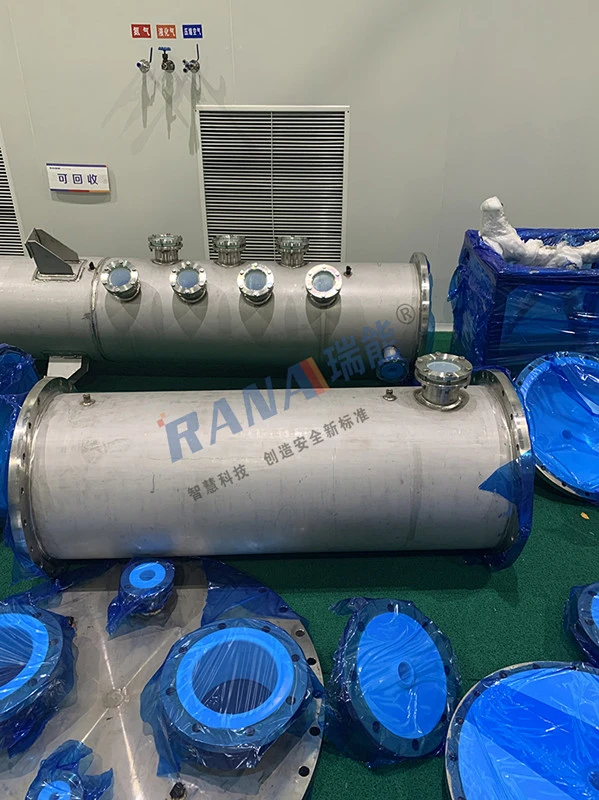
Organic solvents, such as acetone, toluene, and ethanol, are commonly used in many industrial processes. These solvents are often volatile and flammable, and they can have different levels of reactivity. For example, acetone is a highly volatile and flammable solvent that is used as a cleaning agent and in the production of plastics.
Inorganic solvents, like water and sulfuric acid, also have their own characteristics. Water is a universal solvent, and sulfuric acid is a strong oxidizing and dehydrating agent.
Can PTFE Lined Tanks Store Solvents?
The answer is generally yes, PTFE lined tanks can be used for storing solvents. The excellent chemical resistance of PTFE allows it to resist the corrosive effects of most solvents. For organic solvents, PTFE can effectively prevent the solvent from reacting with the tank material and causing corrosion. This is crucial for maintaining the integrity of the tank and ensuring the quality of the stored solvent.
In the case of inorganic solvents, PTFE's resistance to acids and bases makes it a suitable choice. For example, a PTFE Lined Phosphoric Acid Tank can safely store phosphoric acid without the risk of corrosion.
However, there are some factors to consider. First, the temperature of the solvent needs to be within the operating temperature range of PTFE. If the solvent is stored at a temperature above 260°C, PTFE may start to degrade, which can affect its chemical resistance and mechanical properties.
Second, some solvents may have special requirements. For example, highly reactive solvents may require additional safety measures, even when stored in PTFE lined tanks. In some cases, the solubility of PTFE in certain solvents at high temperatures or under specific conditions may need to be considered. Although PTFE is generally insoluble in most solvents, there are some exceptions, and it is important to conduct compatibility tests before using the tank for a particular solvent.
Practical Considerations in Using PTFE Lined Tanks for Solvent Storage
When using PTFE lined tanks for solvent storage, proper installation and maintenance are essential. The lining process needs to be carried out carefully to ensure a uniform and defect - free lining. Any damage to the PTFE lining can expose the underlying tank material to the solvent, leading to corrosion.
Regular inspections should be conducted to check the condition of the PTFE lining. This includes visual inspections for signs of damage, such as cracks or delamination. In addition, the tank should be cleaned regularly to prevent the accumulation of contaminants that may affect the performance of the PTFE lining.
Another important consideration is the design of the tank. The tank should be designed to prevent the formation of stagnant areas where solvents may accumulate and cause corrosion. Adequate ventilation is also necessary to prevent the build - up of volatile solvents and reduce the risk of explosion.
Applications of PTFE Lined Tanks in Solvent Storage
PTFE lined tanks are widely used in various industries for solvent storage. In the chemical industry, they are used to store solvents used in the production of chemicals, such as in the synthesis of polymers. PTFE Lined Reactors are often used in chemical reactions where solvents are involved, and the PTFE lining ensures the purity of the reaction and prevents corrosion of the reactor.
In the pharmaceutical industry, PTFE lined tanks are used to store solvents used in drug manufacturing. The high chemical resistance of PTFE ensures that the solvents do not react with the tank material and contaminate the drugs.
In the coating industry, solvents are used to dissolve resins and pigments. PTFE lined tanks can be used to store these solvents, ensuring the quality of the coatings.
Conclusion
In conclusion, PTFE lined tanks can be used for storing solvents due to the excellent chemical resistance and temperature stability of PTFE. However, it is important to consider the specific characteristics of the solvents, the operating temperature, and the proper installation and maintenance of the tanks.
If you are looking for reliable PTFE lined tanks for solvent storage, our company offers a wide range of products, including PTFE Lined Tower Section, PTFE Lined Reactors, and PTFE Lined Phosphoric Acid Tank. We are committed to providing high - quality products and professional services. If you have any questions or are interested in our products, please feel free to contact us for further discussion and procurement negotiation.
References
- "Handbook of Fluoropolymer Science and Technology" by Henry L. Resnick.
- "Chemical Resistance of Plastics and Elastomers" by Charles A. Harper.